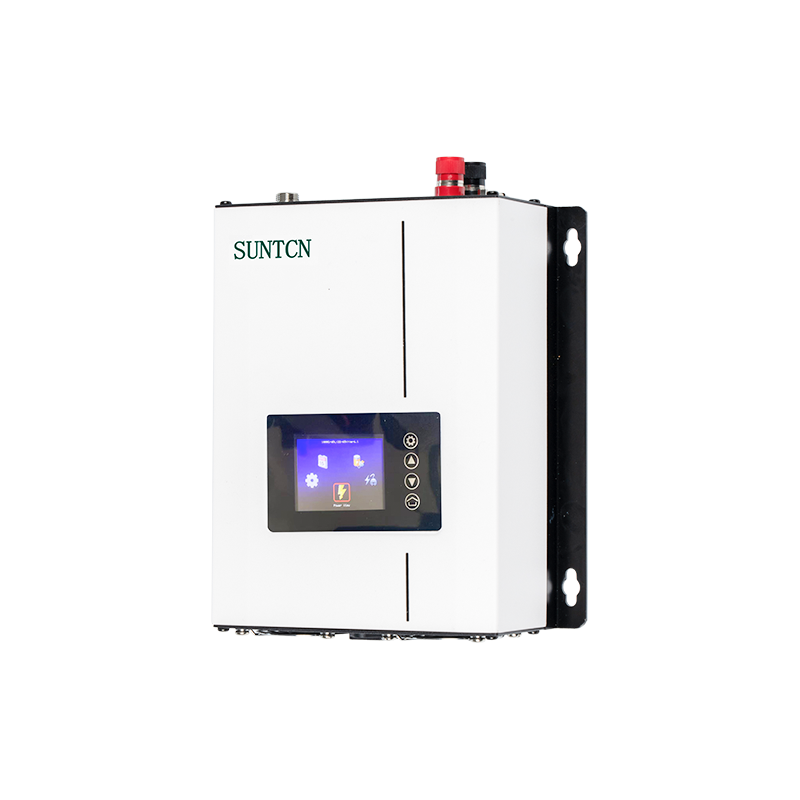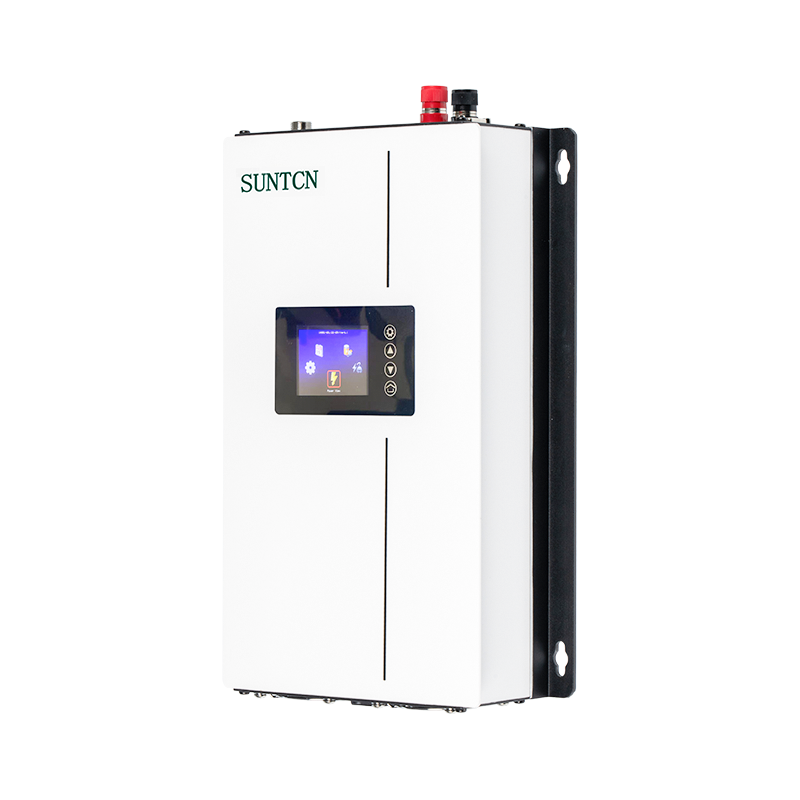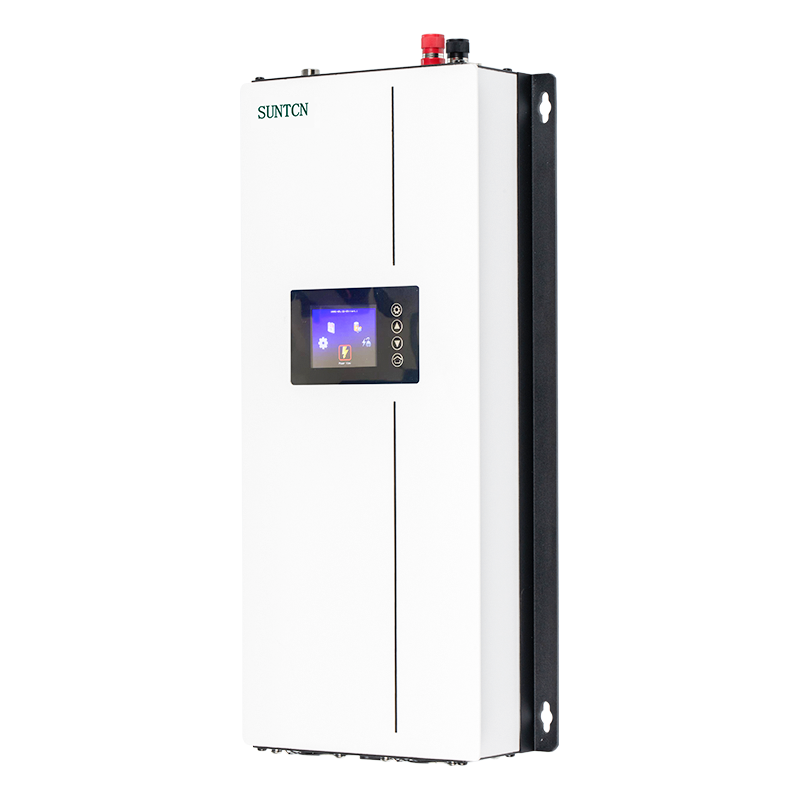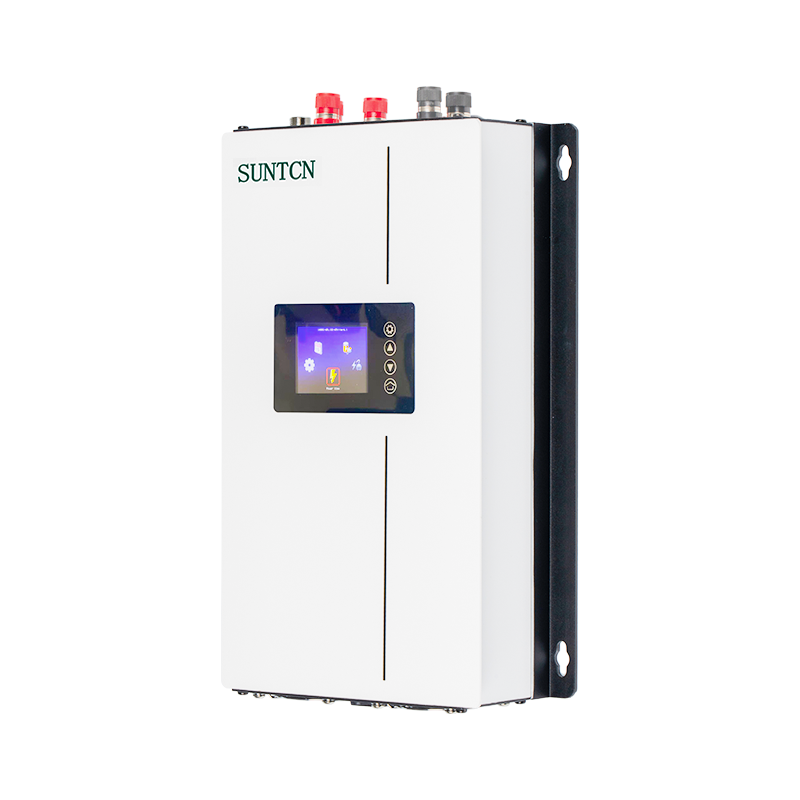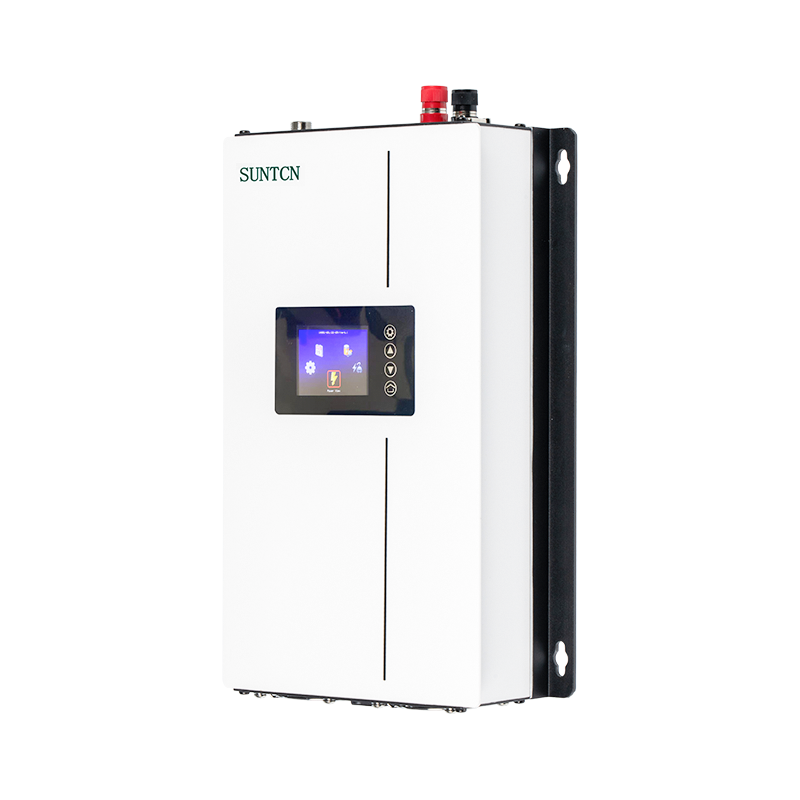
A wind-turbine grid tie inverter is the critical link between a wind turbine's variable electrical output and the stable, synchronized power that homes, businesses, and utility grids require. Without this device, the raw electricity generated by a spinning turbine would be unusable, since wind speed constantly fluctuates and produces power at inconsistent voltage and frequency levels. This guide explains how grid tie inverters function, what specifications matter for wind applications, and how to approach system sizing and installation.
How a Grid Tie Inverter Processes Wind Power
Wind turbines generate alternating current (AC) at variable frequency and voltage because rotor speed changes constantly with wind conditions. A grid tie inverter rectifies this variable AC output into direct current (DC), then uses power electronics to convert that DC back into clean AC that matches the voltage, frequency, and phase of the utility grid. This second conversion stage, often handled by an inverter bridge using insulated-gate bipolar transistors (IGBTs), ensures the power fed into the grid is synchronized precisely enough to avoid disruptions.
Many modern wind inverters also include power point tracking (MPPT), a control algorithm that continuously adjusts the electrical load on the turbine to extract the greatest possible energy at any given wind speed. This is particularly important for small and mid-sized turbines, where energy capture efficiency has a direct impact on system payback time.
Key Differences Between Wind and Solar Grid Tie Inverters
While wind and solar grid tie inverters share the same basic goal of converting variable power into grid-compatible AC, the underlying input characteristics differ enough that using a solar inverter for a wind turbine can to poor performance or equipment damage.
| Characteristic | Wind Turbine Input | Solar Panel Input |
| Input Type | Variable frequency AC | DC |
| Voltage Fluctuation | High and rapid | Gradual, predictable |
| Overspeed Risk | Present during gusts | Not applicable |
| Braking/Dump Load Support | Often required | Not required |
Because turbines can experience sudden speed increases during gusts, a wind-specific inverter typically includes overspeed protection and, in many cases, a dump load or braking resistor to safely dissipate excess energy when the grid connection cannot absorb it, such as during a grid outage.
Essential Specifications When Choosing an Inverter
Selecting the correct grid tie inverter requires matching several technical parameters to the turbine's output characteristics and the local grid's requirements.
Rated Power Capacity
The inverter's continuous power rating should meet or slightly exceed the turbine's rated output. Undersizing the inverter causes it to clip power during high-wind periods, wasting potential energy generation, while significant oversizing adds unnecessary cost without performance benefit.
Input Voltage Range
Since turbine output voltage varies with wind speed, the inverter must accept a wide input voltage range without tripping offline. A narrow input window can cause the system to disconnect frequently during variable wind conditions, reducing total energy yield.
Grid Compliance Standards
Inverters must meet regional grid interconnection standards, which govern voltage regulation, frequency response, anti-islanding protection, and power quality. Compliance is typically mandatory for utility approval and, in many regions, for eligibility in net metering or feed-in tariff programs.
Efficiency Rating
Conversion efficiency directly affects how much of the turbine's generated energy actually reaches the grid. High-quality wind inverters typically achieve peak efficiencies above 95 percent, though real-world efficiency varies with load conditions.
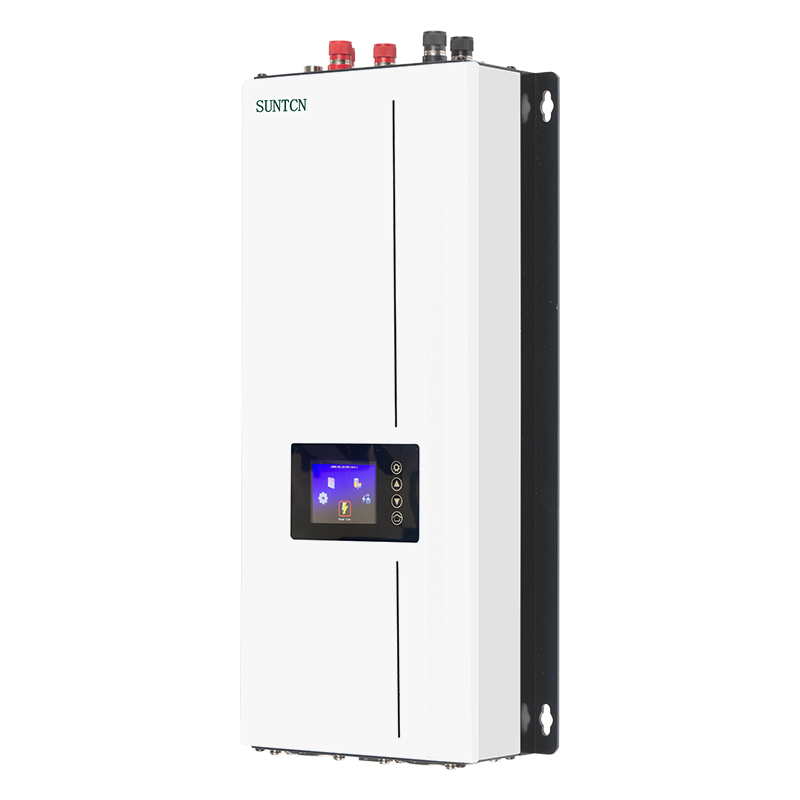
Sizing an Inverter for Your Wind Turbine System
Proper sizing begins with understanding the turbine's power curve, which shows expected output across a range of wind speeds. Rather than sizing the inverter solely to the turbine's peak rated output, many installers size for the wind speed range common at the installation site, since turbines rarely operate at their absolute output for extended periods.
For small residential or commercial wind systems, typical inverter capacities range from 1 kW to 20 kW, while utility-scale turbines require inverters or inverter arrays rated in the hundreds of kilowatts to multiple megawatts. Matching inverter capacity closely to realistic energy production, rather than theoretical s, generally produces better long-term system economics.
Installation and Safety Considerations
Installing a grid tie inverter for a wind turbine involves more than electrical connections; it requires careful attention to site-specific safety and regulatory factors.
- Confirm utility interconnection approval before energizing the system
- Install proper surge protection, since turbines and their wiring are exposed to lightning risk
- Ensure anti-islanding protection functions correctly to prevent backfeeding during outages
- Verify that dump load or braking systems activate properly during grid loss or overspeed events
- Position the inverter in a ventilated, temperature-controlled enclosure to prevent thermal derating
Anti-islanding protection deserves particular attention, since it automatically disconnects the system from the grid during a utility outage to protect line workers performing repairs. This is a standard safety requirement across jurisdictions and should never be disabled or bypassed.
Maintenance Practices for Long-Term Reliability
Grid tie inverters generally require less maintenance than the turbine itself, but periodic checks help maintain efficiency and prevent unexpected downtime. Inspecting cooling fans and heat sinks for dust buildup, checking electrical connections for corrosion, and reviewing performance logs for unusual efficiency drops are all routine tasks that extend service life.
Many modern inverters include built-in monitoring software that logs power output, fault events, and grid interaction data over time. Reviewing this data regularly allows system owners to catch developing issues, such as gradually declining efficiency or intermittent grid faults, before they escalate into costly failures. Combined with correct initial sizing and adherence to local interconnection standards, consistent monitoring and maintenance help ensure a wind-turbine grid tie inverter delivers reliable, efficient performance throughout its operational lifespan.